Everything you need to know about planning your Tanzania safari
The best time to visit Tanzania for a safari is during the dry seasons: June to October (cooler, great wildlife viewing) and January to February (hot, excellent for game drives). The wet season (March-May, November-December) offers lush scenery and lower prices.
A typical Tanzania safari ranges from 3-10 days. Short safaris (3-4 days) focus on one or two parks like Serengeti or Ngorongoro. Extended safaris (7-10 days) combine multiple destinations including Serengeti, Kilimanjaro, Zanzibar, and more.
Yes, Tanzania is generally safe for tourists. We provide professional guides, secure accommodations, and follow all safety protocols. Our 24/7 support team ensures your safety and comfort throughout your safari experience.
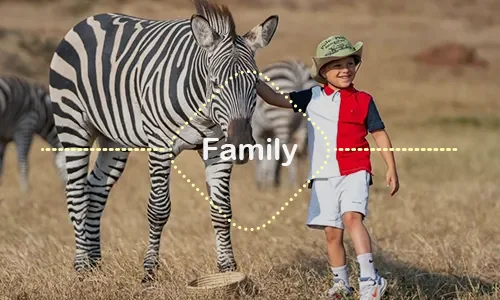
Tanzania's safaris offer incredible wildlife viewing: lions, elephants, buffalo, leopards, giraffes, zebras, wildebeest, and over 1,000 bird species. The Great Migration in the Serengeti is one of the world's most spectacular natural events.
Pack neutral-colored clothing (khaki, olive), sun protection (hat, sunscreen, sunglasses), comfortable hiking shoes, a light jacket for cool mornings, binoculars, and a camera. Avoid bright colors that may disturb wildlife.
Most visitors can obtain a Tanzanian visa on arrival or online. Requirements vary by nationality. We recommend checking with the nearest Tanzanian embassy or consulate before your trip. Our team can assist with visa information.
Subscribe for Safari News
Request a Custom Safari Quote
Share a few details with our safari experts and receive a personalized itinerary outline.